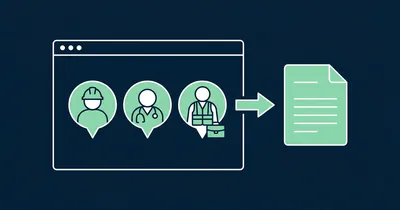
Recruitment video: the complete guide

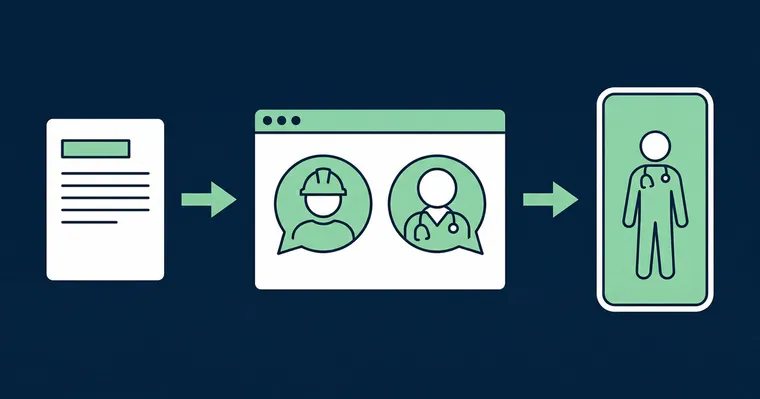
Two identical job listings. Same title, same company, same salary. One is text and bullet points. The other has a 40-second video of an engineer talking about what the team works on and what makes the role unique. Which one attracts the best candidates?
The answer is obvious — and yet most recruiters do not use recruitment video systematically. Not because they doubt it works, but because they are not sure exactly where to start.
Gobi Stories is a Norwegian SaaS platform that makes it easy to collect, edit, and publish authentic employee videos — directly into career pages, job listings, and social media. This guide is written for recruiters and HR professionals who want to use video as a practical recruitment tool — and as a central part of their employer branding strategy.
What is a recruitment video?
A recruitment video is video content used actively in the hiring process to attract, inform, and engage candidates. It is not a single type of video, but a broad spectrum: an employee sharing what their day looks like, a recruiter presenting an open role, a “meet the team” series on the career page, or a short introduction in a LinkedIn outreach message.
What all recruitment videos have in common is their purpose: to show who you are as an employer in a way that text and images cannot. Candidates can hear tone of voice, see facial expressions, and experience the energy of a team — and that is precisely what builds interest and trust early in the process.
A recruitment video does not need to be long or polished. The most effective clips are typically 30–60 seconds, filmed on a phone, with real employees speaking in their own words.
Four types of recruitment video — and when to use each
1. Employee video / employee story
The most common and most effective type. One or more employees talk about what they do, what they enjoy most about the culture, and what makes the company a good place to work. Authenticity is the key — an unpolished clip from a real team member will always outperform a professionally produced marketing film when it comes to credibility.
When to use it: Career pages, job listings, LinkedIn posts, career fairs, and recruitment campaigns.
2. Job listing video
A short video — often from the recruiter or a team lead — presenting the specific role: what it involves, who the candidate will work with, and what to expect in the process. It creates a personal connection from the very first moment and filters in candidates who are genuinely a good fit.
When to use it: Directly inside the job listing, ideally combined with an employee video from the team. Read more in our guide on video in job postings.
3. Career page video
A collection of videos that paint a complete picture of the company as an employer — culture, team, office, values, and everyday life. Candidates visiting the career page are already curious. Video keeps them there longer and motivates them to apply. Read more about career pages with video.
When to use it: As permanent content on the career page, refreshed regularly.
4. Outreach video
A short, personal video sent directly to a potential candidate — for example on LinkedIn or via email. It stands out in the inbox and shows that you have done your research. Particularly effective for headhunting and proactively reaching passive candidates.
When to use it: Direct outreach via LinkedIn, email, or similar channels targeting passive candidates.
How to make your first recruitment video (step by step)
The barrier to making a recruitment video is much lower than most people think. You do not need an agency, a film crew, or expensive equipment. Here is how to do it in practice:
Step 1: Decide which type of video you need
Start with the purpose. Are you trying to fill a specific role quickly? Make a job listing video. Do you want to build up your career page? Start with two or three employee stories from different roles and departments.
Step 2: Identify who should appear in it
Choose employees who enjoy their jobs and are comfortable speaking on camera — not necessarily the most experienced in front of a lens, but the most genuine. Different backgrounds, roles, and departments give a representative picture of the organization. Who tells the story, and what they talk about, decides whether the video resonates with the candidate — read five storytelling tips for recruitment videos.
Step 3: Film on a phone — vertical works perfectly
A smartphone is more than adequate. Film in vertical format (9:16) where possible, since the content will be displayed on career pages and in social media. Good lighting and a quiet background are all you need technically. Read more about practical filming techniques in our employee video guide.
Step 4: Upload to Gobi and approve
Upload the recording to Gobi Studio. Here you can add subtitles, trim the clip, and adapt it for different channels. Gobi handles editing, formatting, and publication preparation.
Need to collect video from many employees efficiently? Gobi Autopilot automates the entire collection process: you add names and email addresses, and Gobi sends personalized invitations with a unique link. Employees film directly in their browser with the questions shown as a teleprompter on screen — no app download, no account creation required. The system handles reminders and consent automatically.
Step 5: Publish and embed
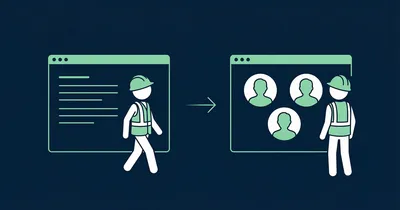
Share the video where it does the most good: embed it directly in the job listing, place it on the career page, or post it on LinkedIn. Gobi makes it straightforward to integrate videos without developer support.
“After we started embedding employee videos in our job listings, we noticed that applicants already had a realistic picture of what we do. Fewer surprises in interviews — and far better matches from the start.”
Where should you publish recruitment videos?
A good recruitment video delivers the most value when it is placed where candidates actually are. Here are the most important channels:
The career page is the most important destination. This is where motivated candidates go to form an impression of you as an employer. Gobi Player embeds directly into career pages and presents employee stories as interactive stories — the same format candidates recognize from social media.
Job listings are where many candidates decide whether to apply. A video here makes the listing more engaging and gives concrete context about the role and team.
LinkedIn and social media are where you can reach passive candidates — those who are not actively looking, but who might become interested if they encounter the right content at the right moment.
Onboarding portals and candidate communication are underused channels. A short video sent to new hires before their first day builds a sense of belonging early.
Gobi integrates directly with leading recruitment platforms — including Teamtailor and Jobbnorge. This means you can embed employee video directly in job listings without any technical setup, reaching candidates exactly where they already are.
Frequently asked questions about recruitment video
What is a recruitment video?
A recruitment video is video content used actively in the hiring process to attract and engage candidates. It can be employee stories, presentations of specific roles, career page videos, or personal outreach clips. What they all have in common is that they show who you are as an employer in a way text cannot.
How do I make a recruitment video?
Start by deciding the purpose — which role or channel is the video for? Then identify the right employees, film on a phone in vertical format, and upload to Gobi for editing and publication. The entire process from recording to a publish-ready video can be done in under an hour.
Do I need professional equipment?
No. The most effective recruitment videos are filmed on a smartphone in natural light. What matters most is that the content is genuine and human — not that production quality is high. Authenticity outweighs polish every time.
How long should a recruitment video be?
An employee video in a job listing should be 30–60 seconds. A career page video can be 1–2 minutes. The key is that every second adds value — cut anything that does not.
How much does it cost to make recruitment video?
Production costs are low when you use your own employees and the Gobi platform. You avoid agency fees, film crews, and expensive editing. Gobi Autopilot makes it possible to collect and publish employee video at a fraction of the cost of traditional video production — and significantly faster.
What stops most organizations from getting started with recruitment video is not a lack of resources. It is overestimating how complex it is. A smartphone, an engaged colleague, and a tool for collection and publication are all you need.
Want to understand the bigger picture? Read what employer branding is and how to build an employer branding strategy. See also our recruitment video overview for a comprehensive introduction to the topic, or go straight to the use cases recruitment video and video in job postings.
Want to see how Gobi makes it easy to go from idea to published recruitment video? See what Gobi does.