Better candidate experience with video

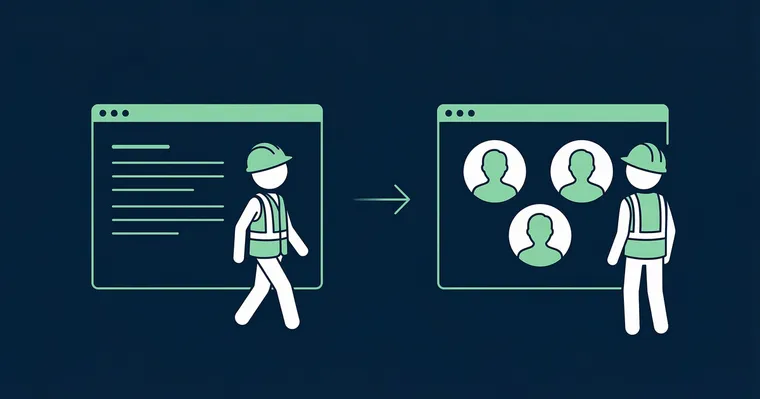
The product team spends months perfecting in-app UX. Designers A/B test button copy. Engineers measure page load times to the millisecond. And then you send candidates a PDF and a form.
This is not an anecdote — it is the standard in most recruitment processes. And it is costing you more than you think.
Candidate experience is the sum of every impression a candidate forms from their first encounter with your employer brand to offer or rejection. For most organisations, it is a blind spot: something HR manages in the background, not something leadership makes strategic decisions about. But top candidates — those with plenty of options — actively filter out employers based on exactly this. And rejected candidates talk about their experience.
Gobi Stories is a Norwegian SaaS platform that makes it easy to collect, edit, and publish authentic employee videos — directly into career pages, job listings, and candidate communications. This article looks at the full candidate journey and where video makes it meaningfully better.
What is candidate experience — and why does it matter more than you think
Candidate experience is your employer reputation as seen from the candidate’s perspective — not what you believe about yourself, but what a candidate actually encounters when engaging with your recruitment process. It covers every touchpoint: the first time they hear about the role, how the job listing is written, what they find on your career page, what happens after they apply, and how you treat them when they do not get the job.
The importance is easy to underestimate because the consequences are invisible. You do not see the candidate who decides not to apply after reading an anonymous job posting. You do not see the senior engineer who chose your competitor because their career page communicated a clearer cultural picture. But they are there — and there are many of them.
Consider a concrete example: an experienced project manager considers your open role. She reads the listing, finds no information about the team she would join, applies anyway, receives an automated confirmation, and hears nothing for three weeks. When the rejection finally arrives, it is a standard template with no personal tone. She now works elsewhere — and she mentioned the experience in a LinkedIn post. These stories are recruitment’s dark data.
Where the recruitment process loses candidates
The candidate journey has some classic friction points. It is worth treating these as a diagnostic checklist for your own process.
Anonymous job listings. Who is the team? Who is the manager? What do colleagues actually work on day to day? A listing that only specifies requirements and benefits answers none of these questions. Candidates do not know what they are applying into — and the best ones filter out ambiguity.
No insight into culture or daily life. “We are a dynamic team that puts people at the centre” is at best meaningless, at worst a red flag. Candidates know that marketing language is not reliable. They want to see and hear real people — not read about values.
Impersonal automation. A confirmation email sent by an ATS system is necessary. A confirmation email that feels like a robot response undermines trust from day one. Candidates notice the difference between a system processing them and an organisation that actually cares.
Silence after the interview. This is the friction point most candidates cite as the most frustrating part of the recruitment process. The week after the interview is long. Hearing nothing from HR is not neutral information — it is a signal about the organisation’s communication culture.
Do any of these sound familiar? These are where candidate experience breaks down — and where video can repair it.
Video as a tool across the candidate journey
Video does not improve candidate experience by being aesthetically pleasing. It improves it by giving candidates the information they actually need, in the format they actually prefer.
In the job listing, a 60-second clip from a team member can explain the role in a way no requirements list can. Not a polished presentation — a genuine conversation about what the job involves, who you work with, and what makes the team unique. The candidate meets the face of a future colleague before they have even applied. That is a fundamentally different experience from reading bullet points. Read more in our guide on video in job postings.
On the career page, employee videos give candidates the cultural insight they cannot find anywhere else. Short, vertical clips in 9:16 format — the same format candidates know from social media — where employees from different departments and roles talk about their working day. Gobi Player is a cookie-free video player that embeds directly into the career page and presents these stories without requiring any consent interaction from the candidate. Read more about career pages with video.
After the application is an underused window of opportunity. A short video from the hiring manager — confirming the application was received, explaining the process, and setting expectations on timeline — is a simple touch that stands out sharply from standard automation. It signals that there are real people on the other side.
After the interview, the same logic applies. A short, personal video is not something most organisations do — which means doing it is immediately noticeable. It costs very little and means a great deal.
“After we started embedding employee videos in our job listings, candidates arrived at the interview already having a realistic picture of who we are. Fewer surprises — and much better candidate quality from the start.”
Candidates trust employees — not HR
One of the most important insights in modern employer branding is straightforward: candidates do not trust what a company says about itself. They seek out employee perspectives — because employees do not have the same agenda as HR.
Employee-generated content creates three times more trust among candidates than official company messaging. That means the most valuable recruitment asset you have is employees who are willing to share their experience on video — honestly and without a script.
We have written in depth about the mechanisms behind this in our article Candidates listen to employees — not HR. The point in the context of candidate experience is this: a candidate journey built on the company’s own voice and visual identity is fundamentally weaker than one that lets employees speak. Video is the only format where employees can speak — with tone, body language, and real context.
Gobi Autopilot makes this practical at scale: you invite employees via email with a unique link, they film directly in their browser with teleprompter-guided questions, and you review and publish via Gobi Studio — no film crew, no editing agency required.
Frequently asked questions
What does candidate experience mean?
Candidate experience is the overall impression a job applicant is left with after engaging with an organisation’s recruitment process. It includes every touchpoint — from the job listing and career page to the application process, ongoing communication, and the final decision. A strong candidate experience increases the likelihood that candidates apply, recommend the organisation to others, and apply again in the future.
How do you measure candidate experience?
The most common methods are candidate surveys sent after the process concludes, candidate Net Promoter Score (NPS), time-to-response measurements, and drop-off analysis in application funnels. Qualitative feedback from interviews also provides valuable insight. Start with one method and build from there — the most important thing is to actually listen to what candidates say.
Can video improve the recruitment process?
Yes. Video gives candidates the information they are actually looking for — who is the team, what is the culture, who is the manager — in a format that is more engaging and credible than text. Organisations using employee videos in job listings and on career pages see on average 35% more qualified applicants and 50% longer time spent on career pages. Video also makes it easier to communicate with candidates throughout the process in a personal and human way.
How much does it cost to produce employee video for recruitment?
It depends on the method. Traditional video production with a film crew and editing agency can cost anywhere from £5,000 to £50,000 per video. With Gobi, employees film themselves in the browser — no film crew, no app download — and you edit, subtitle, and publish in Gobi Studio. This makes video production accessible to organisations without dedicated content teams, and makes it possible to produce content ten times faster than with traditional methods.
What is the single most impactful improvement you can make to candidate experience?
Give candidates insight into who they will actually work with — not just what the role involves. That is what is missing from most recruitment processes, and it is exactly what employee videos solve. A 60-second clip from a future colleague is more valuable than three pages of job description.
The recruitment process is not a necessary administrative burden. It is one of the most important touchpoints between your employer brand and the talent market — and most organisations treat it like a form to be filled in. The best candidates choose employers who take this contact seriously. Video is the concrete tool that makes it possible.
Want to see how Gobi Studio can help you produce and publish employee videos without a film crew? See what Gobi Studio does.