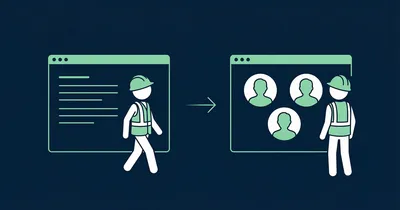
Video in Job Postings — How to Do It Right


Two identical job postings. Same title, same company, same salary. One is text and bullet points. The other has a 45-second clip where an employee explains what makes the role unique. Which one lands at the top of every applicant’s shortlist — and which disappears into the noise?
The answer is not surprising — but the cost of ignoring it is greater than most recruiters realize. Job postings with video consistently attract significantly more applicants. Candidates click through, spend more time reading, and submit applications with higher relevance.
Gobi Stories is a Norwegian SaaS platform that makes it easy for companies to collect, edit, and publish authentic employee videos — directly in career pages, job postings, and social media. This guide focuses specifically on the job posting itself: which video format works, how to embed it, and the errors that prevent results. For the career page side of things, see our career page with video guide.
Why Video in a Job Posting Works
Video in a job posting means one or more short clips — from employees or the hiring manager — embedded directly within the job listing, giving candidates a more complete picture of the role, the team, and the culture. The goal is to answer the questions that text cannot credibly answer: Who will I work with? What’s the atmosphere like in this department? Will I fit in?
Candidates in 2026 scan job postings faster than ever. They have an abundance of listings to choose from and minimal tolerance for content that doesn’t immediately give them what they are looking for. Text can tell them what the job involves. Video shows them what the job actually feels like. And when a candidate with multiple options decides who to talk to first, it is the feeling that determines the choice — not the bullet-point list.
Consider an engineering role at a mid-sized technology company. The listing describes responsibilities, qualifications, and benefits. A candidate reads it, cannot distinguish this company from the next three on the page, and keeps scrolling. Add a 40-second clip of a senior engineer explaining what he enjoys most about the codebase and what the team discussed in last week’s sprint — and the candidate stops. Now she has something real to react to.
What Types of Video Work Best in a Job Posting
Not all video formats are equally suited to job postings. Three types consistently stand out.
1. Employee day-in-the-life — short and concrete
The most effective video type for job postings. An employee — ideally someone in the same role you’re recruiting for — takes 30–60 seconds to describe what a typical day looks like, what they enjoy most, and what surprised them positively when they joined. No script, no approved talking points. Just a real person speaking honestly.
Candidates connect with individuals, not with companies. A short, personal employee story from one colleague delivers more information about cultural fit than three paragraphs of corporate culture text.
2. Hiring manager message
A 30–45 second clip where the hiring manager introduces the position gives candidates something valuable: an early relationship with the person they may end up working for. They see tone of voice, communication style, and energy — three things impossible to gauge from a job description.
This format is particularly effective in industries where the relationship with a direct manager is a critical factor in whether a candidate accepts an offer.
3. Team introduction
Three to four people from the team — each clip 10–15 seconds — edited together into a 45–60 second introduction of who the candidate will be working with. Simple, effective, and highly concrete. It directly answers the question that ranks highest in candidate research: “Who will my colleagues be?”
“The candidates we now meet in interviews are far better prepared. They’ve watched the videos, they already know the team a little — and they’re genuinely interested, not just browsing.”
The common thread across all three: short, vertical video in 9:16 format works best. This is the format candidates are accustomed to from social media, and it displays optimally on the mobile screen they use when browsing job listings. Gobi works exclusively with vertical portrait-format video — and it is precisely what modern candidates expect.
How to Embed Video in a Job Posting
There are two practical routes, depending on which platform you advertise on.
Route 1: ATS platforms with built-in video integration
If you use a modern ATS, the chances are you already have support for adding video directly to job postings — without touching a line of code.
- Teamtailor — Gobi has a native integration that automatically displays employee videos in job postings and on your career page.
- Jobylon — Add Gobi stories to Jobylon job listings with a single embed code.
- Webcruiter — Display employee videos directly in Webcruiter job postings via embed.
- Jobbnorge — A built-in Gobi module lets you show stories directly in Jobbnorge listings.
Gobi Player is mobile-optimized and requires no cookie consent for playback — the video appears immediately, without candidates having to click through a consent banner.
Route 2: Link to the career page
If you advertise on a platform that does not support video embedding, the solution is to link prominently from the posting to the section of your career page where candidates can find video. A clear link with text like “See what the team says about this role” or “Meet your future colleagues” converts well — particularly if the video is placed near the top of the career page.
This is one reason why the career page with video and the job posting with video work together as a system: the posting drives candidates to the career page, and the career page converts them into applicants. Read more about building the two in tandem in our recruitment video guide.
Collecting videos without the logistical headache
The biggest obstacle most teams face is not technical integration — it is actually getting the videos collected from employees. This is precisely the problem Gobi Autopilot is built to solve: you add participants, choose a question template, and set a deadline. Gobi sends automatic email invitations with a unique link to each participant. They record directly in their browser — with a teleprompter guiding them through the questions — no app, no account required. The system handles reminders, consent approval, and the draft review flow automatically.
Common Mistakes — and How to Avoid Them
Many organizations add video to their job postings and don’t see the results they expected. The reason is almost always one of these four mistakes.
Mistake 1: Too polished and corporate
A promotional video with dramatic music, slow-motion footage, and a professional voice-over is not what candidates are looking for in a job posting. It looks like an advertisement — and candidates tune out advertisements. Authentic, unpolished clips from real employees build trust. High production quality does the opposite.
Mistake 2: Video that’s too long
A job posting is not the place for a 3-minute company presentation. Candidates give a video 10–15 seconds to prove it is worth watching. If the point is not clear within the first 10 seconds, you’ve lost them. Stay under 60 seconds for employee videos, and under 45 seconds for team introductions.
Mistake 3: No subtitles
More than 80 percent of mobile users watch video without sound in public settings — on the bus, in the canteen, in a waiting room. A video without subtitles is a video most candidates will skip. Gobi Studio generates automatic subtitles, and you can adjust them in the caption editor. The effect on viewing time is significant: Gobi data shows subtitled videos are watched 12% longer on average. Read more about the impact of subtitles in our article on subtitling in stories.
Mistake 4: Generic stock footage
A video of happy people in an open-plan office, laughing over the coffee machine and pointing at sticky notes, says nothing about who you actually are. Stock video is meaningless filler — and candidates recognize it immediately. Use real employees, real workspaces, real situations.
Frequently Asked Questions
What is video in a job posting?
Video in a job posting means one or more short clips — typically from employees or the hiring manager — embedded directly within a job listing. The video gives candidates a more realistic picture of the role, team, and culture than text alone can convey, and increases the likelihood that qualified candidates will submit an application.
How long should the video in a job posting be?
Between 30 and 60 seconds is the ideal length for video in a job posting. Shorter than 30 seconds doesn’t provide enough information to create a genuine connection. Longer than 90 seconds and most candidates lose interest. For team introductions, 45 seconds is a strong target.
Which ATS platforms support video in job postings?
Most modern ATS platforms support adding video, either via built-in functionality or embed code. Gobi has dedicated integrations for Teamtailor, Jobylon, Webcruiter, and Jobbnorge. For platforms without native video support, you can link from the posting to a career page with video.
Do I need professional equipment to make video for job postings?
No. The most effective recruitment videos are recorded on a smartphone camera or directly in a browser. High production quality is not the point — authenticity is. Gobi Autopilot lets employees record directly in their browser with a teleprompter to guide them, and Gobi Studio handles editing, subtitles, and brand styling.
Does video in job postings work across all industries?
Yes, though the impact varies. Video is especially valuable in industries with high competition for candidates (technology, healthcare, manufacturing) and in roles where cultural fit is critical (sales, customer service, leadership). In industries where candidates apply based primarily on salary and location, the effect is somewhat lower — but never negative.
A job posting with video is no longer a differentiator — it is becoming an expectation among candidates who have seen it from other employers. The organizations that act now recruit faster and attract applicants who already have a realistic picture of where they are heading.
Want to see how Gobi can help you collect and publish employee videos for your job postings? See what Gobi does.